


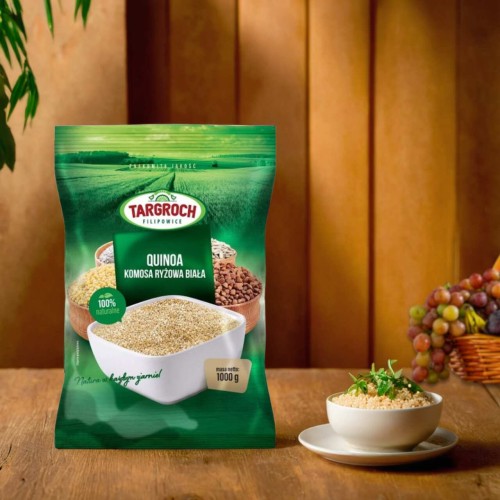
Quinoa - white quinoa 1000g Targroch


Regular price:
product unavailable
 Description
Quinoa - white quinoa 1kg Targroch
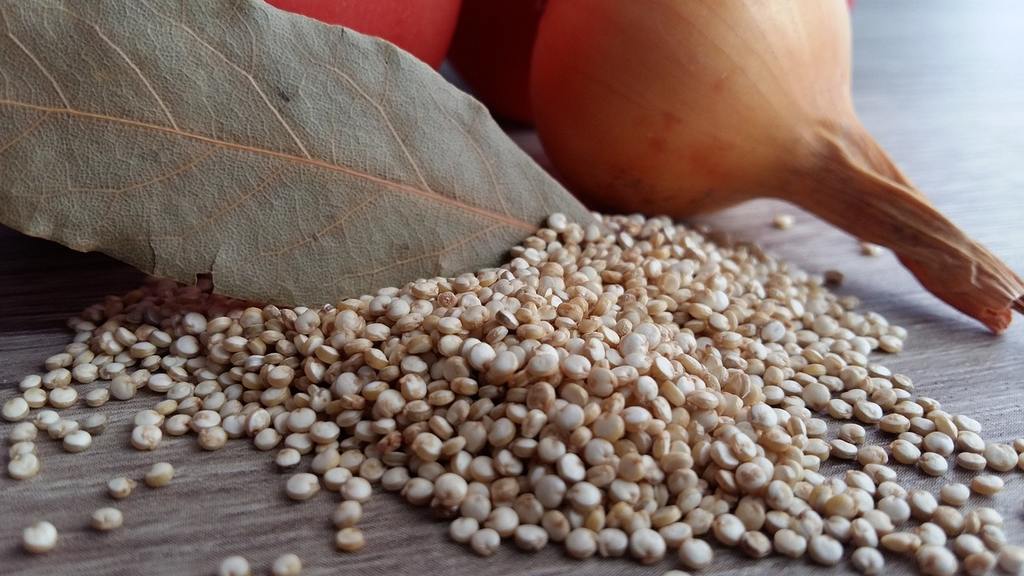
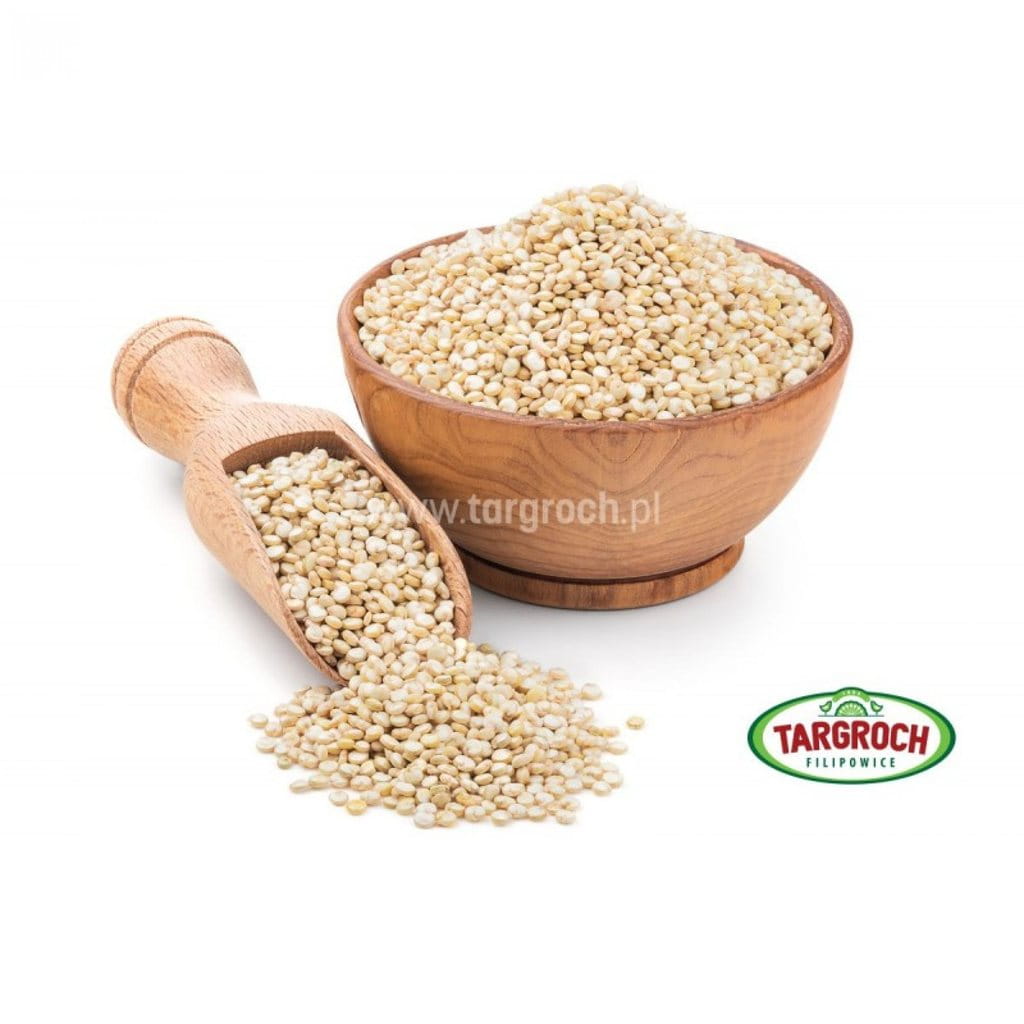
Quinoa (Chenopodium quinoa), i.e. white quinoa, is also called the "sacred grain of the Incas", although it is not a grain, as it belongs to the quinoa family. The treated seeds, from which the bitter coating has been removed, are suitable for consumption. The bitter taste of the seeds is due to the presence of saponins.
Quinoa is rich in protein, which contains valuable exogenous amino acids (e.g. lysine) in an amount rarely found elsewhere in the plant world.
Chemical composition and properties of quinoa seeds
Due to the large amount of protein and especially valuable exogenous amino acids, quinoa is recommended for vegetarians. Quinoa seeds support the fight against atherosclerosis and other cardiovascular diseases due to the content of unsaturated acids from the omega-3 (linolenic), omega-6 (linoleic) and omega-9 (oleic) groups. They also help lower LDL cholesterol and triglycerides. The presence of a large amount of flavonoids such as quercetin and kaempferol from the flavonol subgroup was found in the seeds, which have anti-inflammatory, anti-allergic, anti-sclerotic, anti-cancer and diastolic properties. Quinoa seeds also contain phenolic acids such as vanillic (phenylcarboxylic acid) or coumaric (phenylpropenoic acid) with anti-radical properties. These seeds do not contain gluten like grain seeds, therefore they are recommended for people on a gluten-free diet. Due to the large amounts of fiber, quinoa improves the work of the digestive tract, but also helps in the fight against obesity, which is also favored by the low glycemic index IG = 35. The presence of B vitamins supports the nervous and cardiovascular systems, and has an antidepressant effect. Vitamin E in the seeds has a good effect on the appearance of the skin, hair and nails. Large amounts of magnesium and calcium help build a healthy skeleton and fight osteoporosis, while potassium help fight high blood pressure. A large amount of iron helps with problems with anemia.
Quinoa seeds contain some amounts of phytic acid, which may inhibit mineral absorption.

Nutritional and energy value of 100g quinoa seeds
Energy value - 353 kcal
Protein 14.0g, fat 5.5g, carbohydrate 64.6g (including fiber 6.8g)
Vitamins: B1 (thiamine) 0.265mg, B3 (niacin) 1.01mg, B9 (folate) 0.182mg
Minerals: Potassium 674mg, Magnesium 313mg, Calcium 61mg, Sodium 7mg, Iron 8.9mg
Use of quinoa seeds in the kitchen
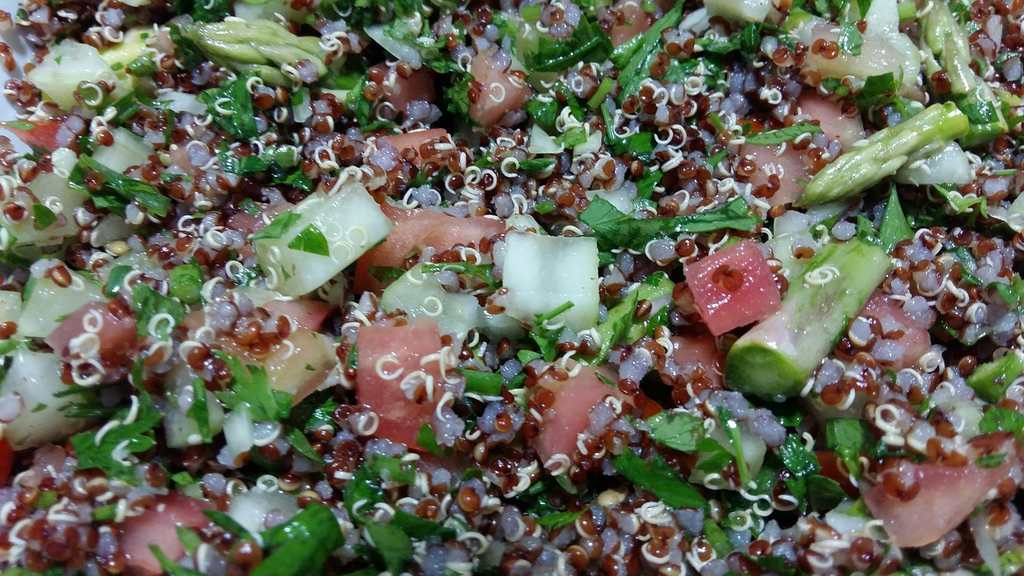
Quinoa seeds are suitable as a substitute for potatoes, rice, pasta. They can be added to soups and salads. They are also added to baking cookies and in a roasted form to yoghurt.
It is best to pour quinoa with water and leave it for a few hours. Then the seeds are thoroughly drained and washed with water, which serves to eliminate the phytic acid. The quinoa prepared in this way is poured with water in a ratio of 1:2 and cooked for 10-15 minutes.
