


Whole dried cranberries 1kg Targroch







Regular price:
product unavailable
 Description
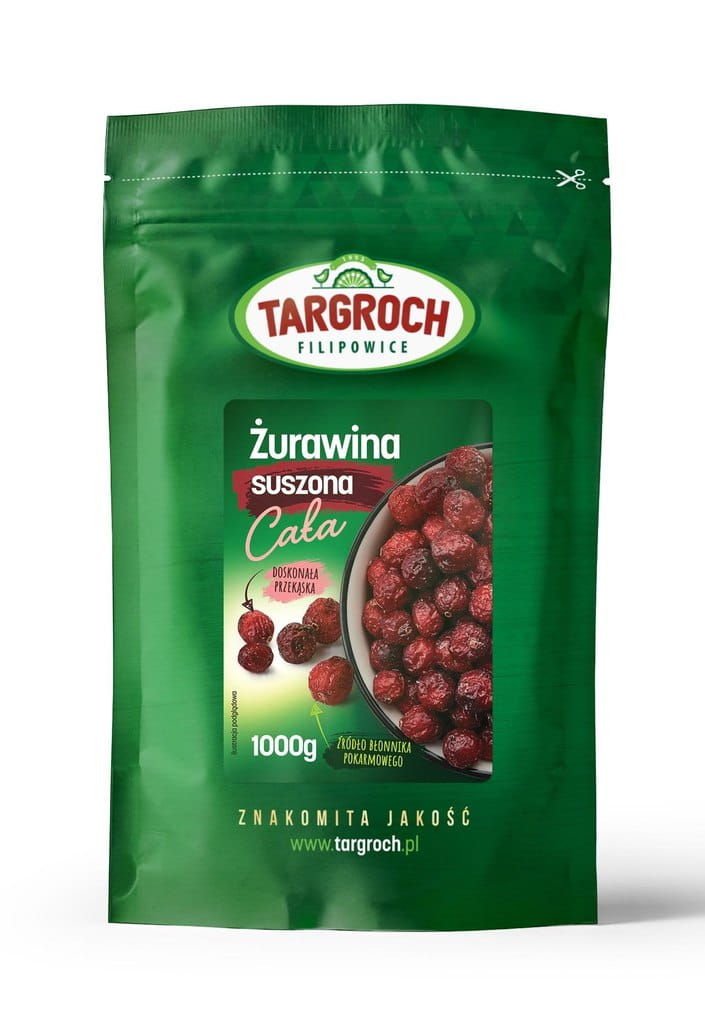
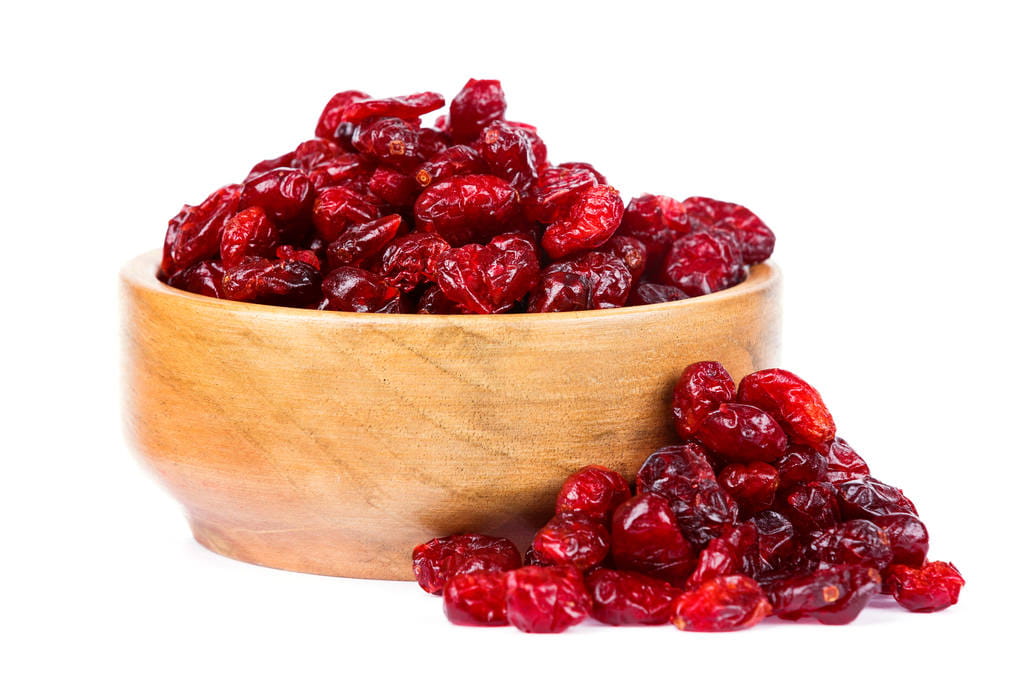
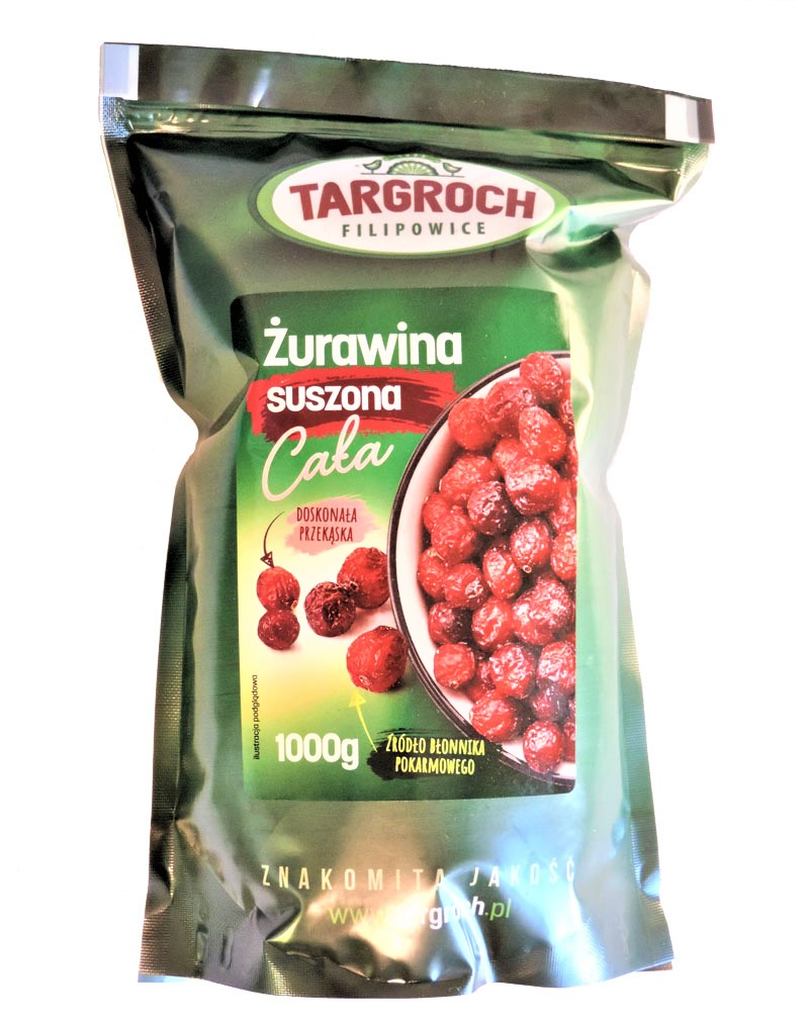
Targroch whole dried cranberries 1kg
The world's largest variety of cranberry is Vaccinium macrocarpa,which grows wild in North America. In Poland, there are marsh cranberries (Vaccinium oxycoccus) and small-leaved cranberries (Vaccinium microcarpon).
Cranberry is a proven fruit in the fight against caries and diseases of the periodontium, urinary tract, heart diseases, stomach ulcers. Fresh cranberries contain a lot of vitamins C, E, B, A, minerals such as iron, manganese, copper, potassium, iodine, magnesium, calcium and organic acids (malic, citric), a lot of fiber.

Healing properties of dried cranberry fruit
Regular consumption of dried cranberries helps in the fight against bladder and urinary tract diseases (caused by the Escherichia coli bacterium), with gastric ulcers (caused by the Helicobacter pylori bacterium) and duodenum, tooth decay, gum and periodontal diseases, with diseases of the circulatory system (by lowering LDL cholesterol, lowering blood pressure, lowering the risk of atherosclerosis). Cranberry fruits contain ursolic acid from the group of terpenes, which has antiviral, antibacterial, fungicidal, analgesic, anticancer and antidiabetic properties.
Numerous polyphenols support the removal of free radicals, reducing the risk of various cancers, helps in the prevention of Parkinson's, Alzheimer's and rheumatism diseases. Vitamins, minerals and polyphenols delay the aging of gray cells and thus slow down the aging process.
It is not recommended to consume too much cranberry fruit in osteoporosis-related problems, as it hinders the absorption of calcium. People who are also taking warfarin-based anticoagulants should also limit cranberry intake, as it hinders the excretion of this drug from the body (which leads to hemorrhage).

Polyphenols present in cranberry fruit
- anthocyanins (malvidin, delphinidin, pelargonidin, peonidine), which have a strong detoxifying effect, delay the aging process, lower blood pressure, seal blood vessels, support the liver
- flavonols (quercetin, myricetin) - have antibacterial, antifungal, antioxidant, anti-allergic, anti-atherosclerotic, anti-inflammatory properties
- flavanols (tannins, especially proanthocyanidins) - with antibacterial, antiviral, antimutagenic, antiatherosclerotic properties
- phenylcarboxylic acids (benzoic acid derivatives) - and hence cranberries do not spoil too easily

Nutritional and energy value of 100g dried cranberries
Energy value 308 Kcal
Carbohydrates 82.8g (including fiber 5.3g), fats 1.1g, protein 0.17g
Minerals: Potassium 49mg, Calcium 9mg, Phosphorus 8mg, Magnesium 5mg, Sodium 5mg, Iron 0.4mg, Zinc 0.1mg
Vitamin E 2.1mg, C 0.2mg, B3 0.55mg, vitamin A 46 IU

Cranberry use in the kitchen
Dried cranberries are tasty, but the ones in juice, e.g. apple, fructose. It can be added in this form to oatmeal or semolina. The cranberry itself is sour and it is best to make preserves from it, such as juices, syrups, jams, preserves, medicinal tinctures, cocktails. Jams taste great with meat, sausage or cheese (like oscypek with cranberries, popular in the mountains). You can also find cranberries in candied form or as a component of fruit teas for brewing.
You can also make an infusion for rinsing the mouth in periodontal diseases. Cranberry is also used in cosmetics where it brightens the skin, regulates its pH and has a refreshing effect.