


€8.10
Regular price:
€9.00
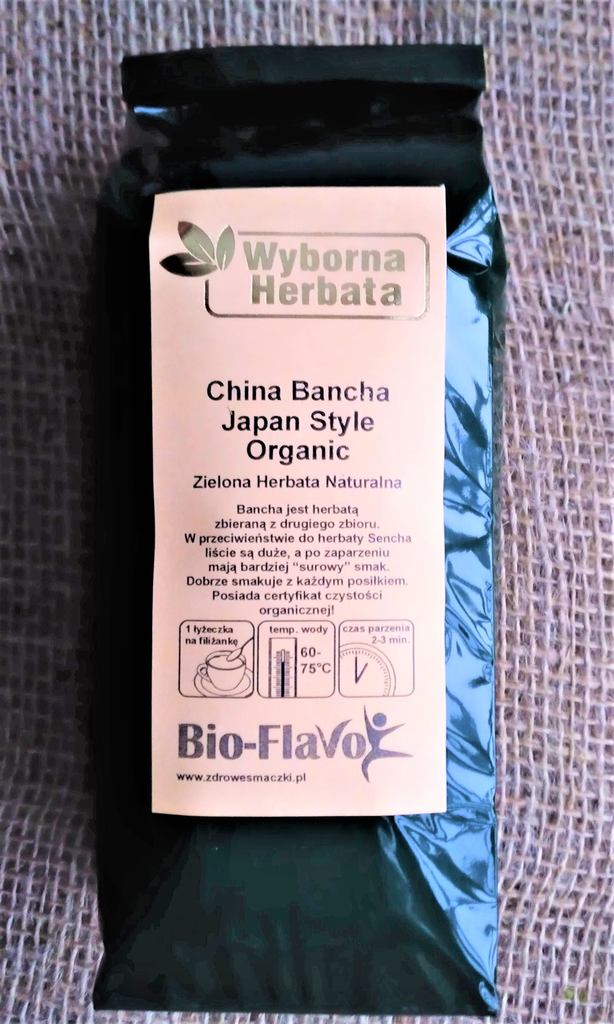
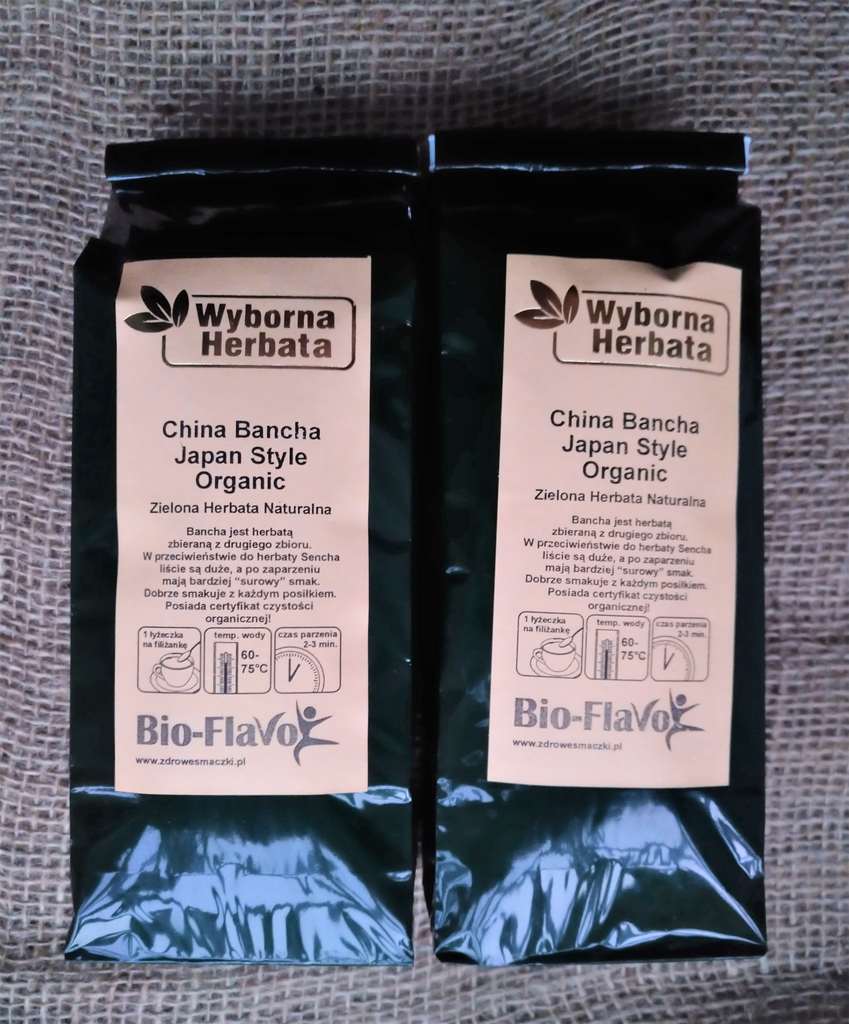
Green tea China Bancha Organic 125g Bio-Flavo


Regular price:
product unavailable

Description
Green tea China Bancha Organic/Bio 125g Bio-Flavo
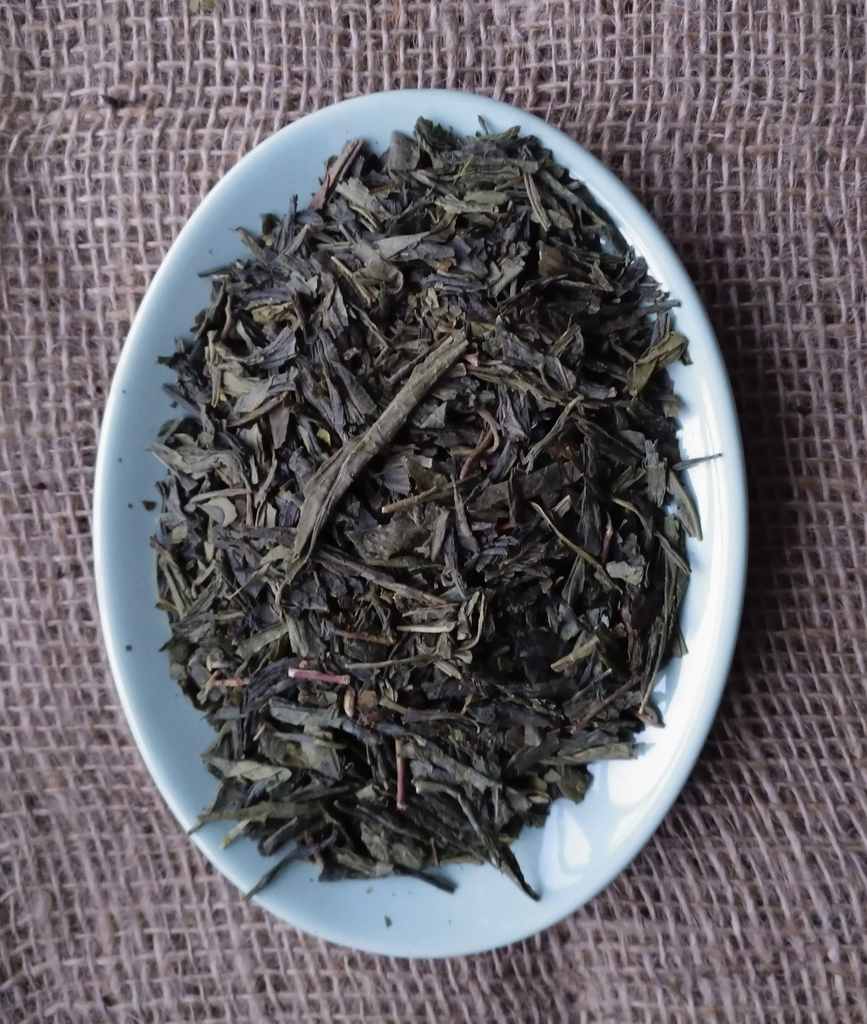
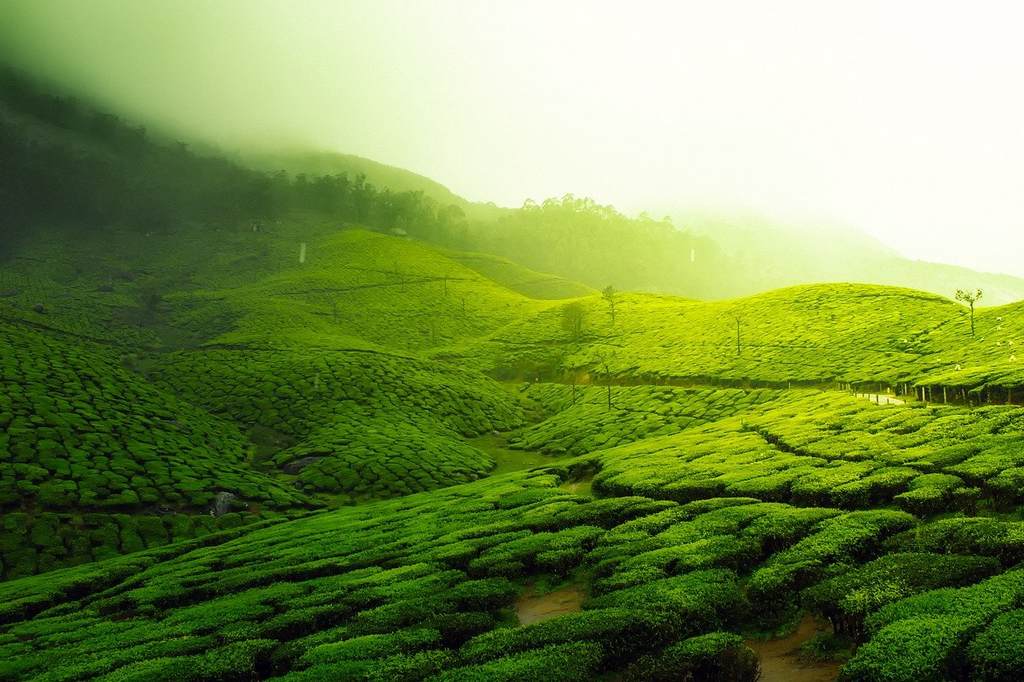
Green tea China Bancha comes from the Chinese organic Guangwang plantation. It is a second harvest tea. It is characterized by large leaves, which, when brewed, give a raw taste of the infusion. You can brew up to three times.
Green tea is obtained from the Camellia sinensis shrub, which grows mainly in Asia, but is also cultivated on the African and South American continents.

comes from the Chinese organic Guangwang plantation. It is a second harvest tea. It is characterized by large leaves, which, when brewed, give a raw taste of the infusion. You can brew up to three times.
Green tea is obtained from the Camellia sinensis shrub, which grows mainly in Asia, but is also cultivated on the African and South American continents.

Polyphenols and their beneficial properties
Polyphenols include:
- Phenylcarboxylic acids
- gallic acid- with some antioxidant activity
- Flavonols;
- kaempferol with diastolic, anti-allergic, anti-fungal and anti-inflammatory effects,
- quercetin with anti-allergic, anti-inflammatory, anti-atherosclerotic, anti-thrombotic properties,
- myricetin with anticancer (antioxidant) and antiatherosclerotic properties
- Flavanols:
- basically, it's about catechins such as epicatechins, epicatechin gallate and, above all, epigallocatechin gallate, which are much more powerful antioxidants than vitamins E or C; they have anti-cholesterol, anti-mutagenic, anti-cancer, anti-inflammatory, anti-atherosclerotic, anti-allergic effects, they also lower blood pressure, help with weight loss, prevent cardiovascular diseases, help in the fight against type 2 diabetes, support metabolism.

China Bancha organic tea in the kitchen
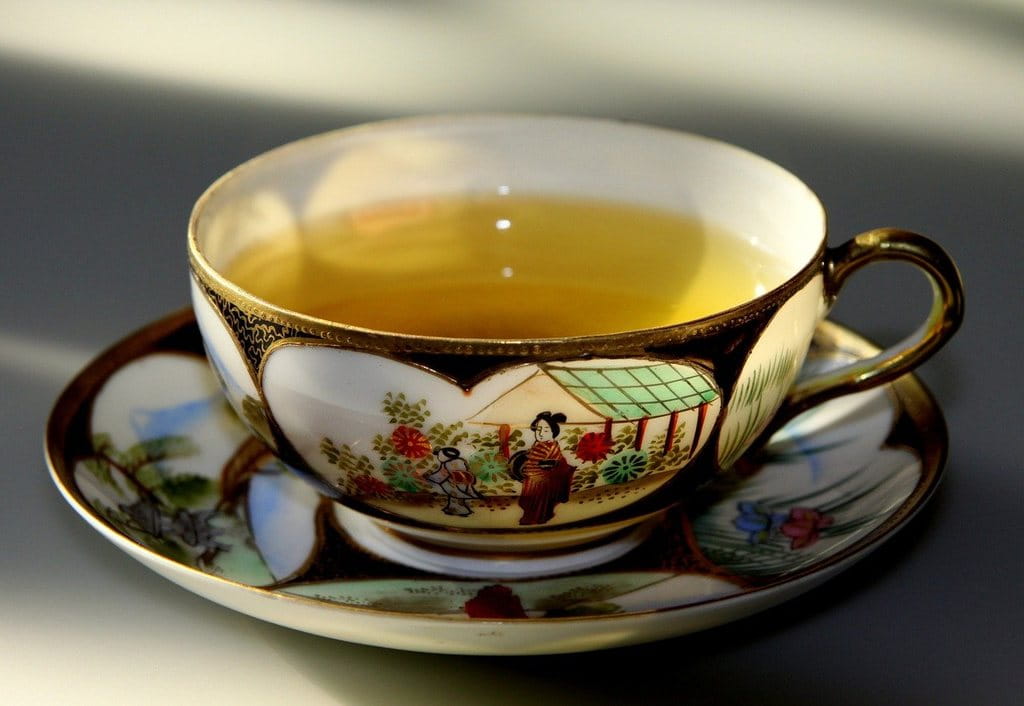
Green tea is brewed at 65-80 °C for 3-4 minutes. This organic (bio) tea can be brewed up to three times. The first infusion of ostrava has stimulating and refreshing properties, while the next ones are calming and relaxing. Some recommend that the first infusion should be discarded, as it may contain a lot of impurities.