


€8.10
Regular price:
€9.00
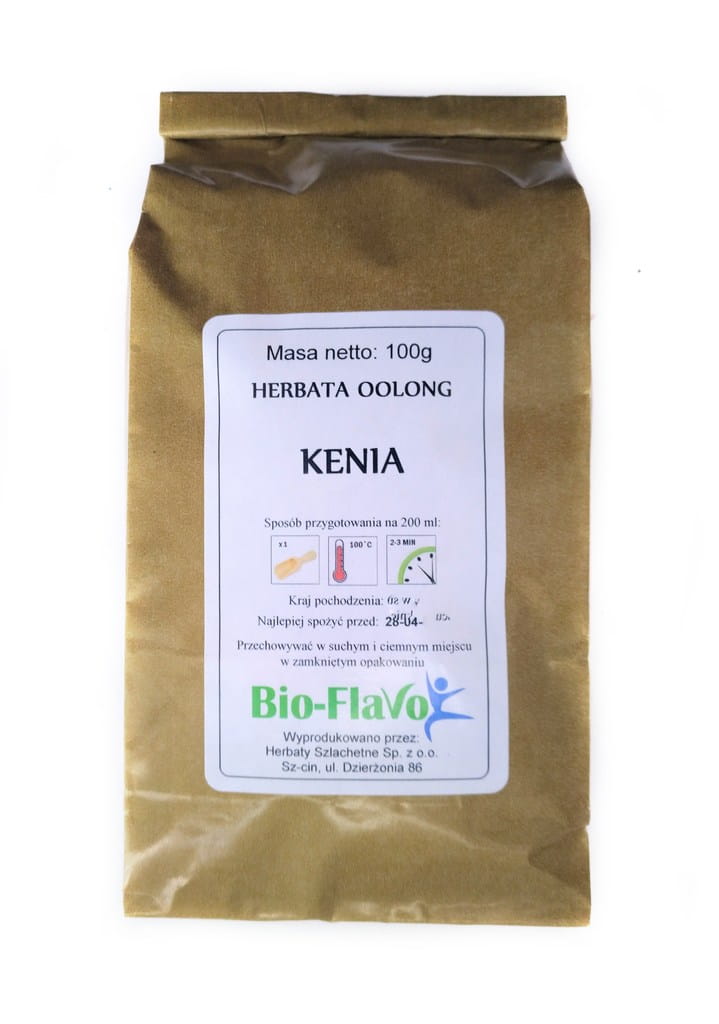
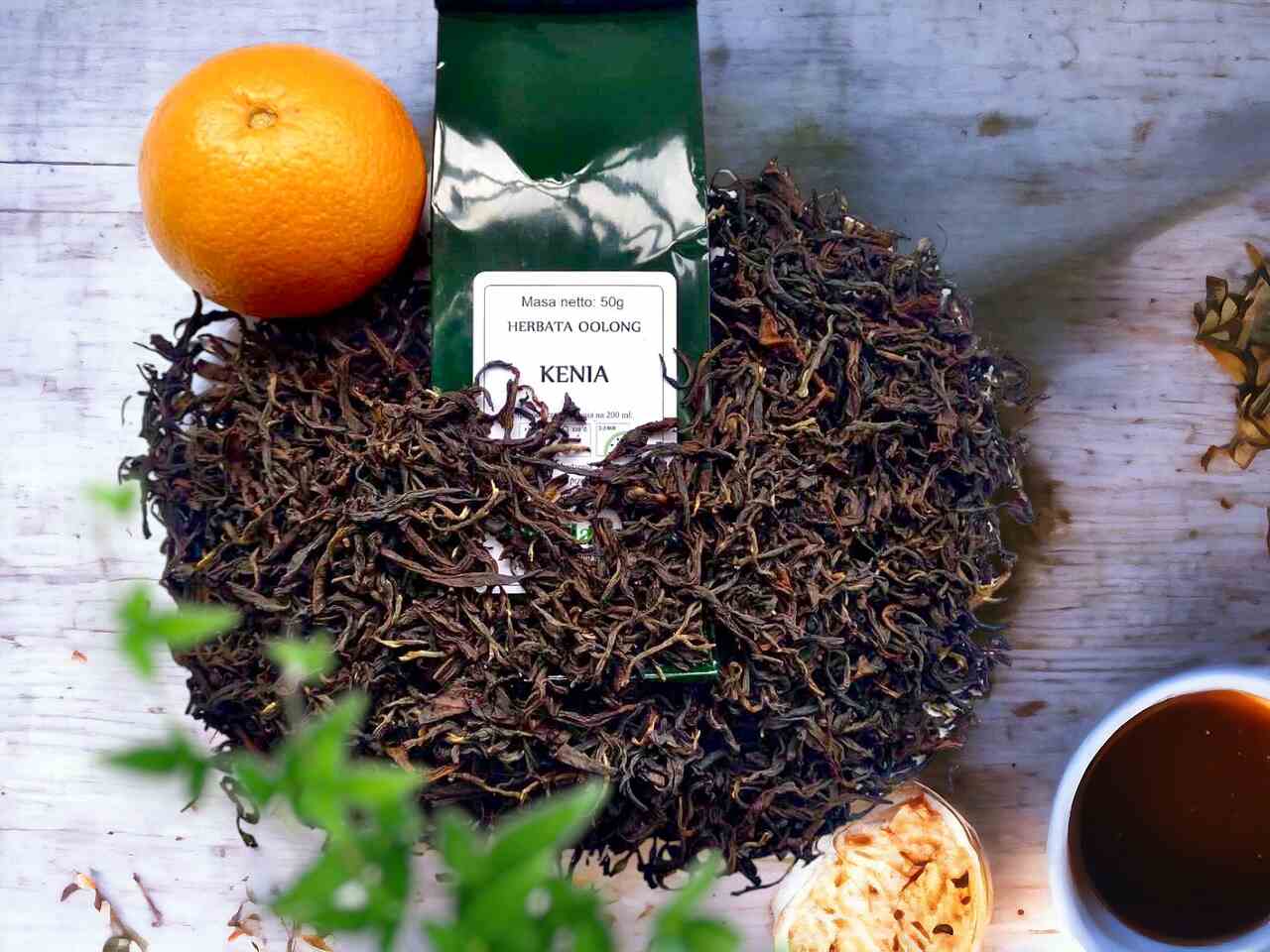
Kenia Oolong Tea 100g Bio-Flavo

Regular price:
product unavailable

Description
Kenia Oolong Tea wielkolistna 100g Bio-Flavo
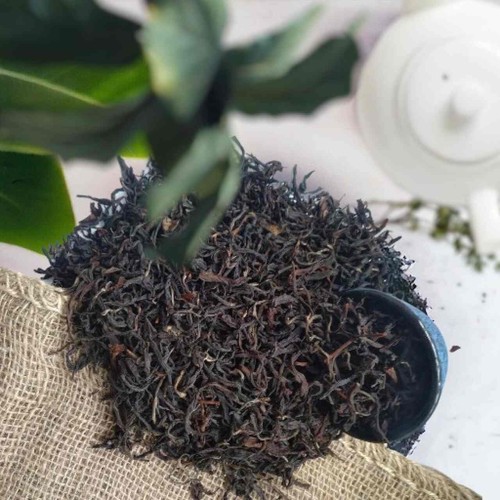
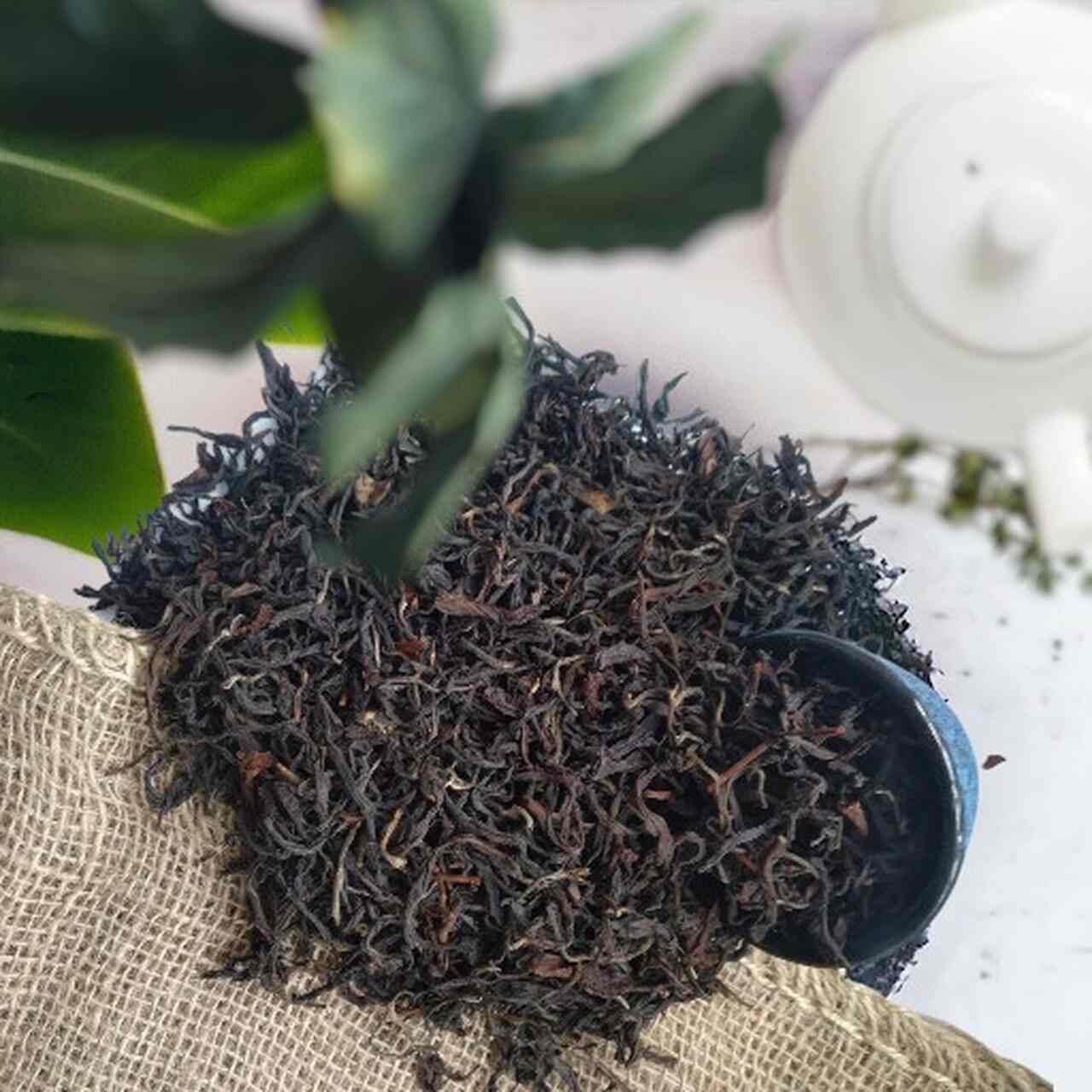
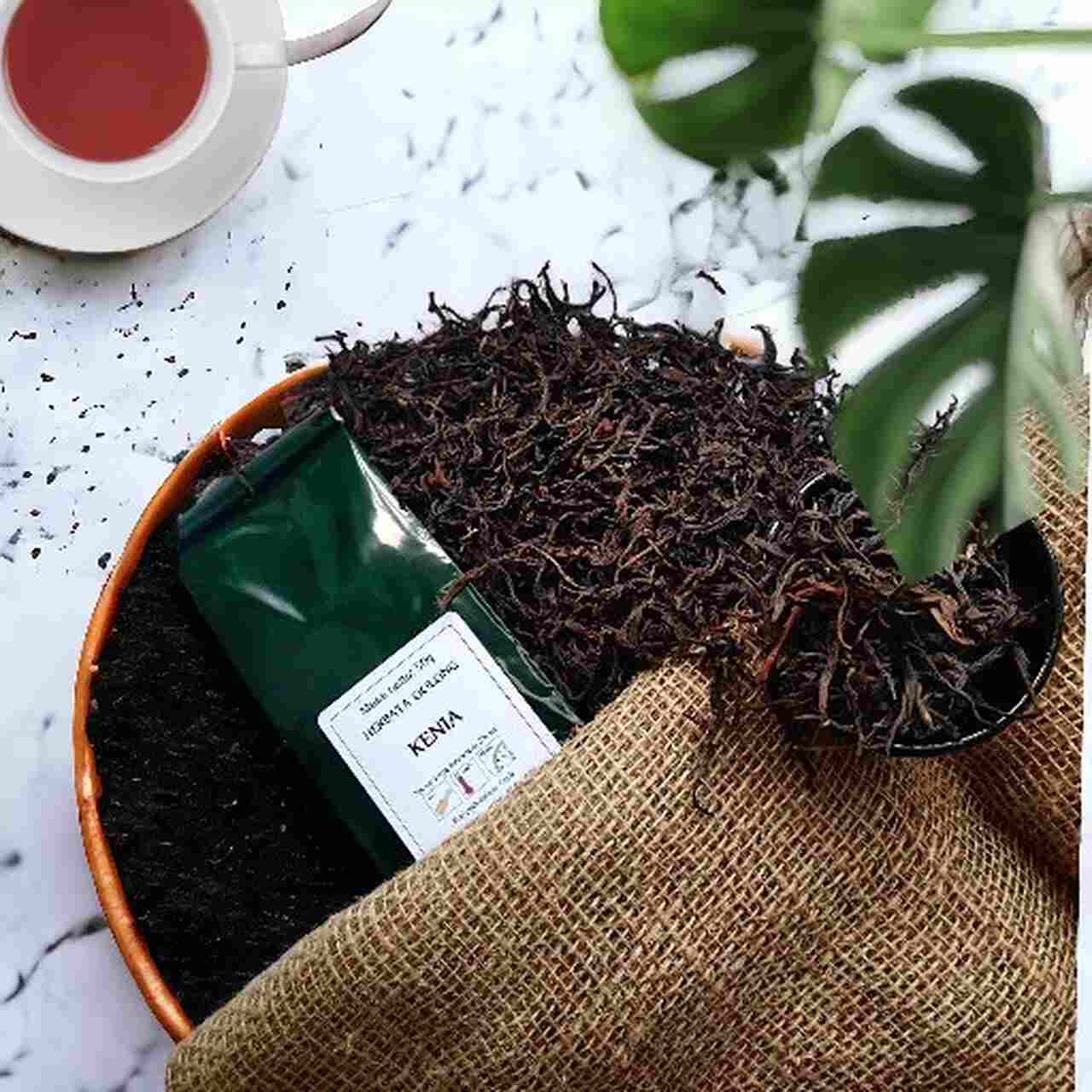
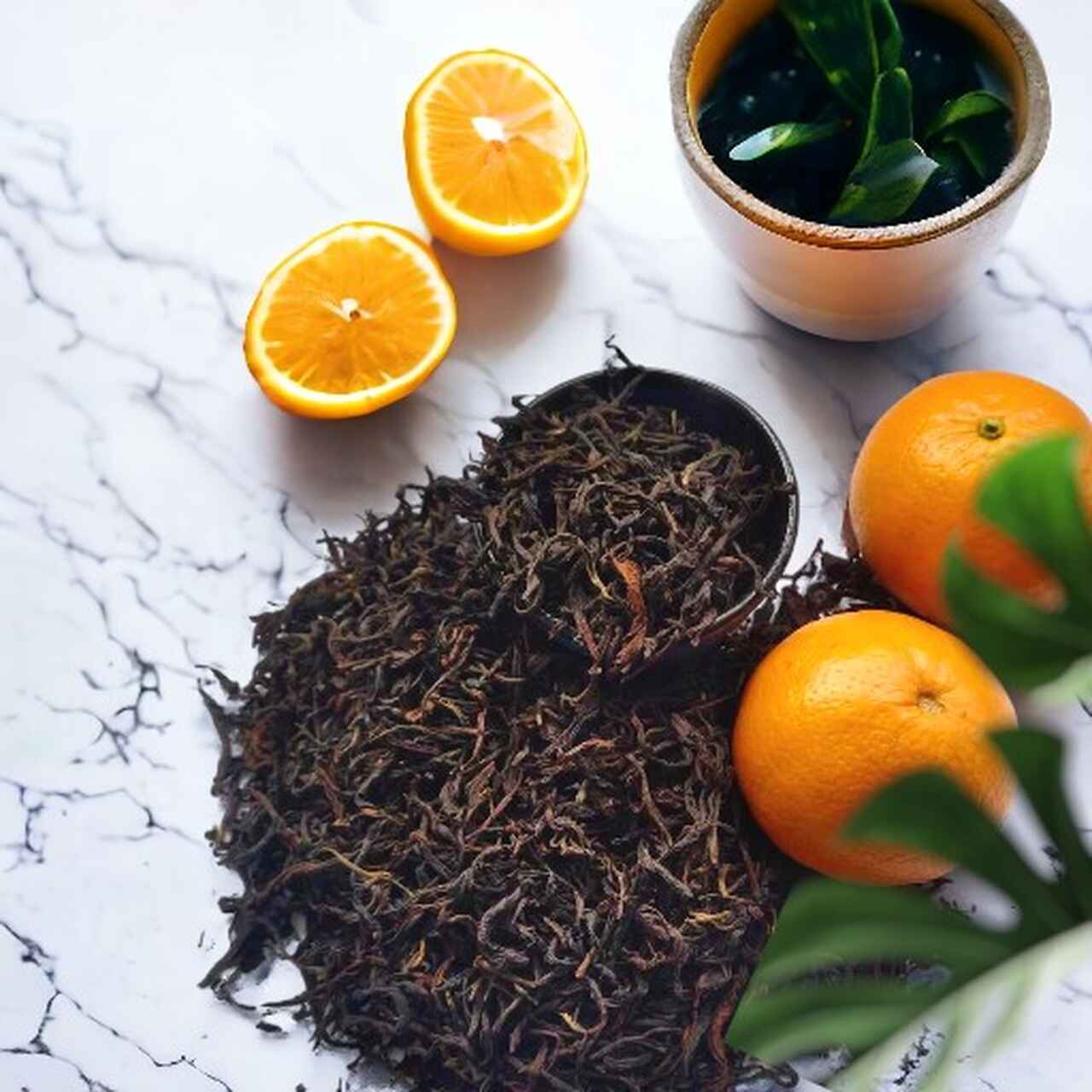
Kenia Oolong Teait consists of long, twisted leaves, dark brown in color because they are subjected to a slightly longer oxidation, although shorter than black teas. It gives infusions with a sweetish aftertaste and a brown color. It comes from natural crops free from pesticides.
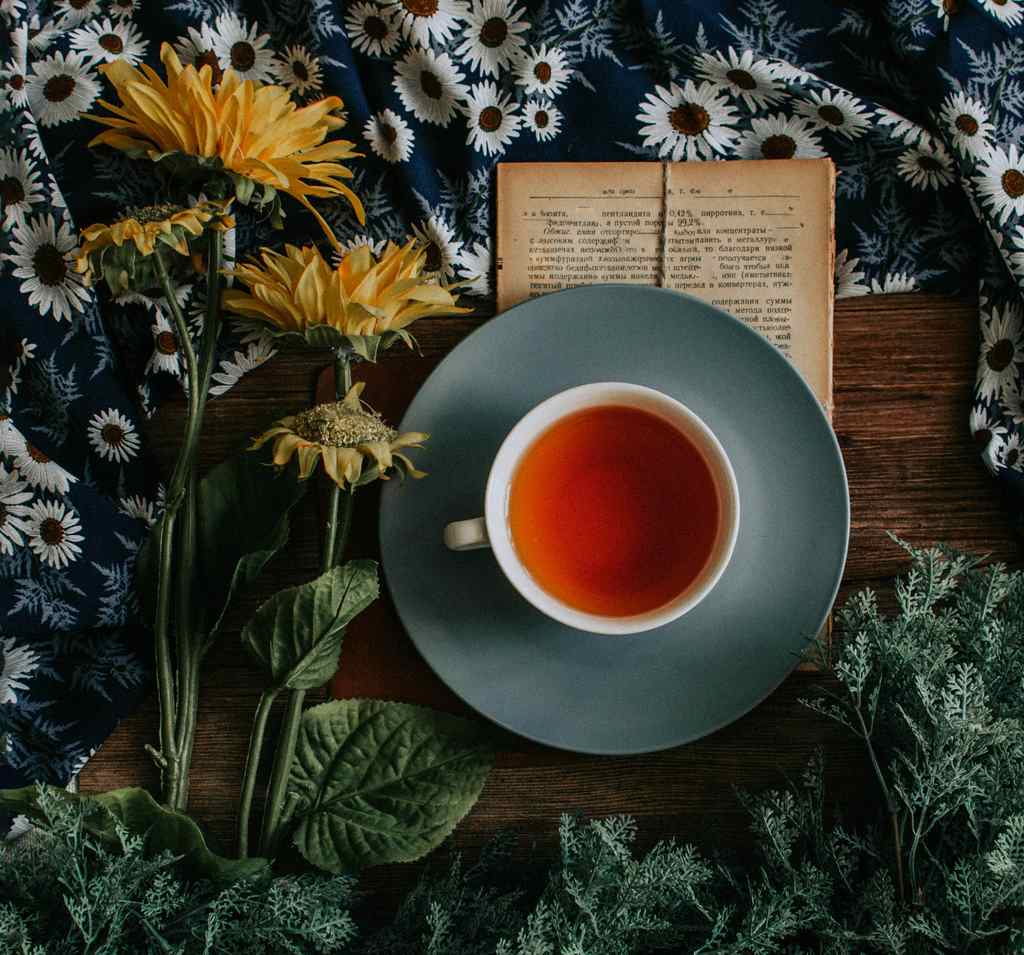
Oolong tea is also called turquoise, blue, emerald, dragon. It is made by withering and drying larger, older leaves in the sun or mechanically. In this way, they undergo oxidation, which is accelerated by shaking in rolling machines (formerly in wicker baskets). This shaking damages the edges of the leaves, which are then subjected to high temperatures, stopping the oxidation. That is why it is not fully oxidized like black teas. Good oolongs can be brewed several times, slightly extending the length of the next brewing. Pour water with a temperature of 80-95 degrees C for 1-3 (5) minutes (the more oxidized, the higher the boiling temperature should be used). Kenia Oolong infusions are brownish. Less oxidized oolongs give light infusions.
Herbata Oolong a zdrowie
Oolong tea leaves contain many nutrients, although less than green tea due to fermentation, which retards large amounts of them. However, we will find here a lot of theine (a form of caffeine), which has a stimulating effect, increases the metabolic rate, improves concentration, reflexes, reduces drowsiness, and improves mood. Oolong tea prevents tooth decay (fluorine content), heart and circulatory system diseases, atherosclerosis, and the development of glaucoma. It also has diuretic properties.
Substances hidden in oolong tea leaves
Tea leaf drink has many valuable properties. It contains many biologically active compounds and nutrients, such as purine alkaloids (theine being a form of caffeine), amino acids, lipids, some vitamins such as C, A, E, K, and from group B. There are also minerals such as potassium, calcium, magnesium, aluminum , manganese, iron, selenium or fluorine. But above all, numerous polyphenols are important, and most of them are life-giving catechins, which are strong antioxidants.
Polyphenols and their properties
Oolong tea polyphenols:
- Phenylcarboxylic acids, especially gallic acid, which has antioxidant properties
- Flavonols;
- diastolic, anti-inflammatory, anti-allergic, anti-fungal kaempferol
- quercetin with anti-inflammatory, anti-atherosclerotic, anti-thrombotic and anti-allergic properties
- myricetin with anticancer and antiatherosclerotic properties
- Flavanols, i.e. catechins (epicatechins, epicatechin gallate, epigallocatechin gallate), which are much stronger antioxidants than vitamins C and E and act as above, but also antimutagenic, reduce LDL cholesterol, lower blood pressure, help fight obesity, prevent cardiovascular diseases, help fight diabetes, accelerate fat burning.

Use of oolong tea in the kitchen
Kenia Oolong tea is brewed at 95 °C for 2-5 minutes, pouring 1 g of dried material into 100 ml of water. Can be brewed again. In the "eastern" way, you can "wake up" this oolong by pouring boiling water for several seconds (up to half a minute). Then she burns herself with boiling water ten seconds longer than it took to wake her up. Each subsequent brewing increases by ten seconds. But here, much higher doses of dried herbs are used, 3-5 g per 100 ml of boiling water. The first infusion has stimulating and refreshing properties, while the next ones are calming and relaxing.