


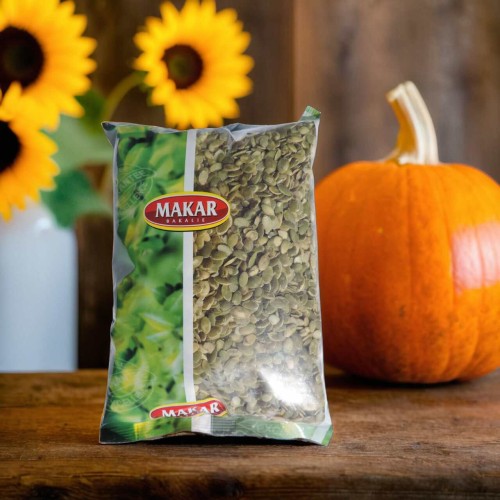
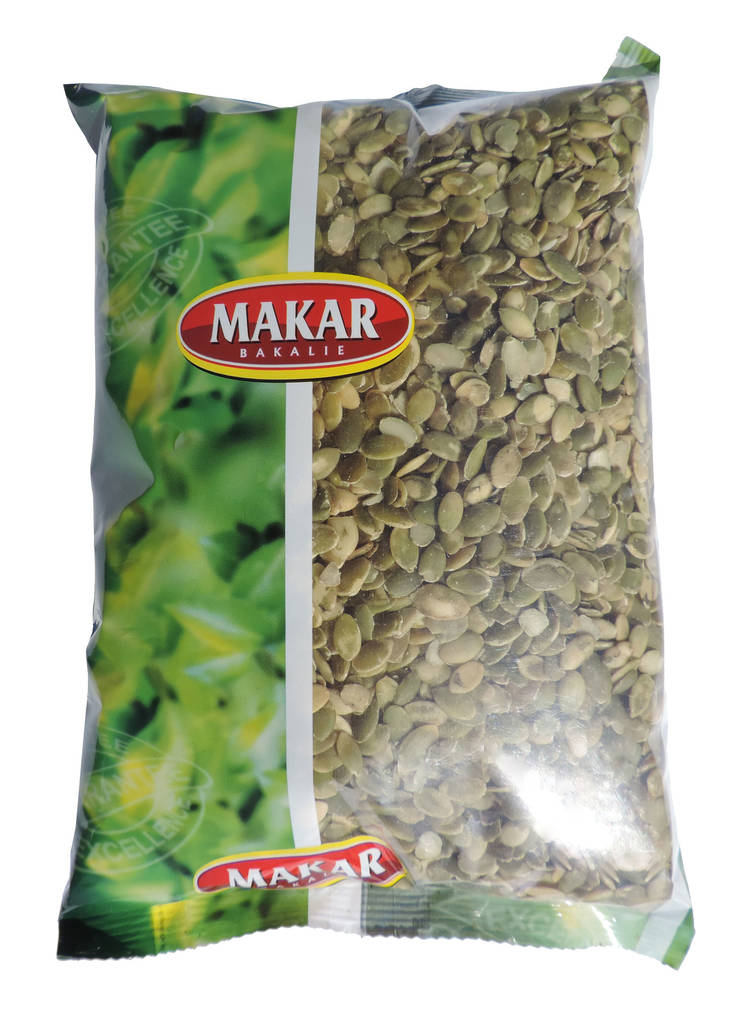
Shelled pumpkin seeds 1kg Makar



Regular price:
product unavailable
 Description
Pumpkin seeds shelled 1kg Makar
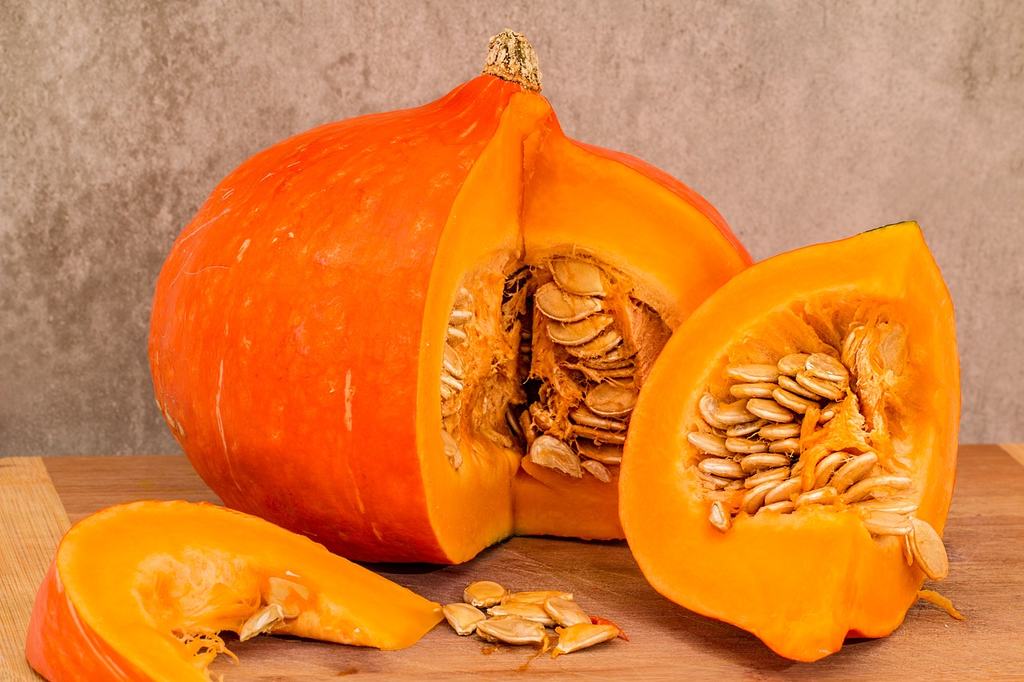
Pumpkin seeds are obtained from a plant called pumpkin (Cucurbita pepo).
They contain a lot of magnesium, potassium, iron, manganese, copper, selenium. But above all, they are a powerful source of phosphorus and zinc. The composition also includes a lot of omega-3 (linolenic), but also omega-6 (linoleic), vitamins such as A, E, C, and from group B. Pumpkin seeds improve male sexual performance and fertility, increase the body's immunity, improve the appearance of the skin , hair and nails.

Pumpkin seeds - an excellent source of vitamins, minerals, unsaturated fats, polyphenols
Pumpkin seeds have a strong antioxidant effect due to the high content of vitamins E, A, C, polyphenols, fatty acids, minerals. A large amount of zinc prevents, among others, prostate diseases, increases the body's resistance, especially to viral diseases such as flu or cold. Zinc also improves semen quality in men and increases sexual performance by increasing testosterone levels. In combination with vitamin A and selenium, it improves the appearance of skin, hair and nails. Potassium lowers blood pressure. Magnesium prevents muscle contractions, but is also a component of superoxide dismutase, the strongest antioxidant, participates in ATP transformations, DNA and RNA synthesis, prevents depression. B vitamins and valuable fatty acids support the work of the nervous system, improve memory and concentration. Fatty acids also regulate the proper level of LDL cholesterol and triglycerides, and have an anti-atherosclerotic effect. Together with vitamin E, they support the fight against type 2 diabetes.
The content of tryptophan (one of the valuable amino acids) helps to maintain serotonin (the happiness hormone) at a higher level.
An interesting fact is that pumpkin seeds contain cucurbitacin, a compound from the group of terpenes. It has an anti-parasitic effect, so it supports the fight against parasites of the digestive system, such as tapeworms and others.
Polyphenols found in pumpkin seeds include:
- phenylcarboxylic acids (protocatechuic, vanillic) with antioxidant properties and thus support the fight against cancer
- phenylpropenoic acids (p-coumaric, ferulic), which are stronger antioxidants than phenylcarboxylic acids
- flavones (apigenin) with calming, anti-inflammatory and anti-cancer effects
- lignans with a strong antioxidant effect, help in the fight against osteoporosis, regulate the hormonal balance and the level of LDL cholesterol and triglycerides.
Polyphenols lower blood pressure, lower LDL cholesterol, improve the functioning of the circulatory system, prevent platelet aggregation, improve arterial elasticity, delay the aging process, have antibacterial and antiviral effects (e.g. lignans), anti-inflammatory and many others.

Nutritional and energy value of 100g pumpkin seeds
Energy value 559 Kcal
Fats 49g (polyunsaturated 20.9g, monounsaturated 14.2g), protein 30.2g (glutamic acid 3.8g, arginine 3.5g, aspartic acid 2.2g), carbohydrates 10.7g, fiber 6g
Vitamins: C 1.9mg, B3 5mg, B1 0.27mg, B2 0.15mg, B6 0.14mg, B9 58µg, E 2.2mg, A 16IU, K 7.3µg
Minerals: phosphorus 1233mg, potassium 809mg, magnesium 592mg, calcium 46mg, iron 8.8mg, zinc 7.8mg, sodium 7mg

Use of pumpkin seeds
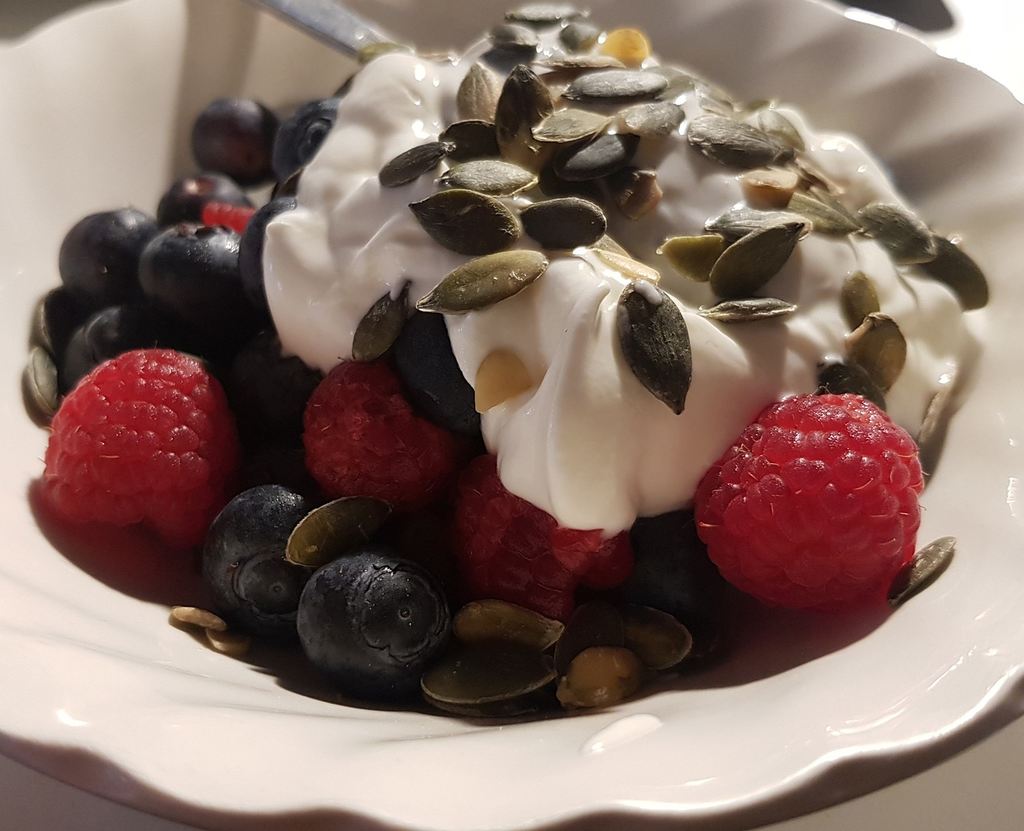
Pumpkin seeds can be eaten fresh or dried. They work well as an addition in baking, as a bread topping. They can be ground immediately before consumption and added to yogurt or oatmeal. They can also be one of the components of tasty granola.